Why Mérida, Yucatán
The safest city in Mexico — with 350 days of sunshine and room to breathe
Mérida pairs colonial character and a serious food culture with the lowest travel-advisory tier in the country, a genuine medical hub and modern infrastructure. This is what draws Ontarians here, and what keeps them.
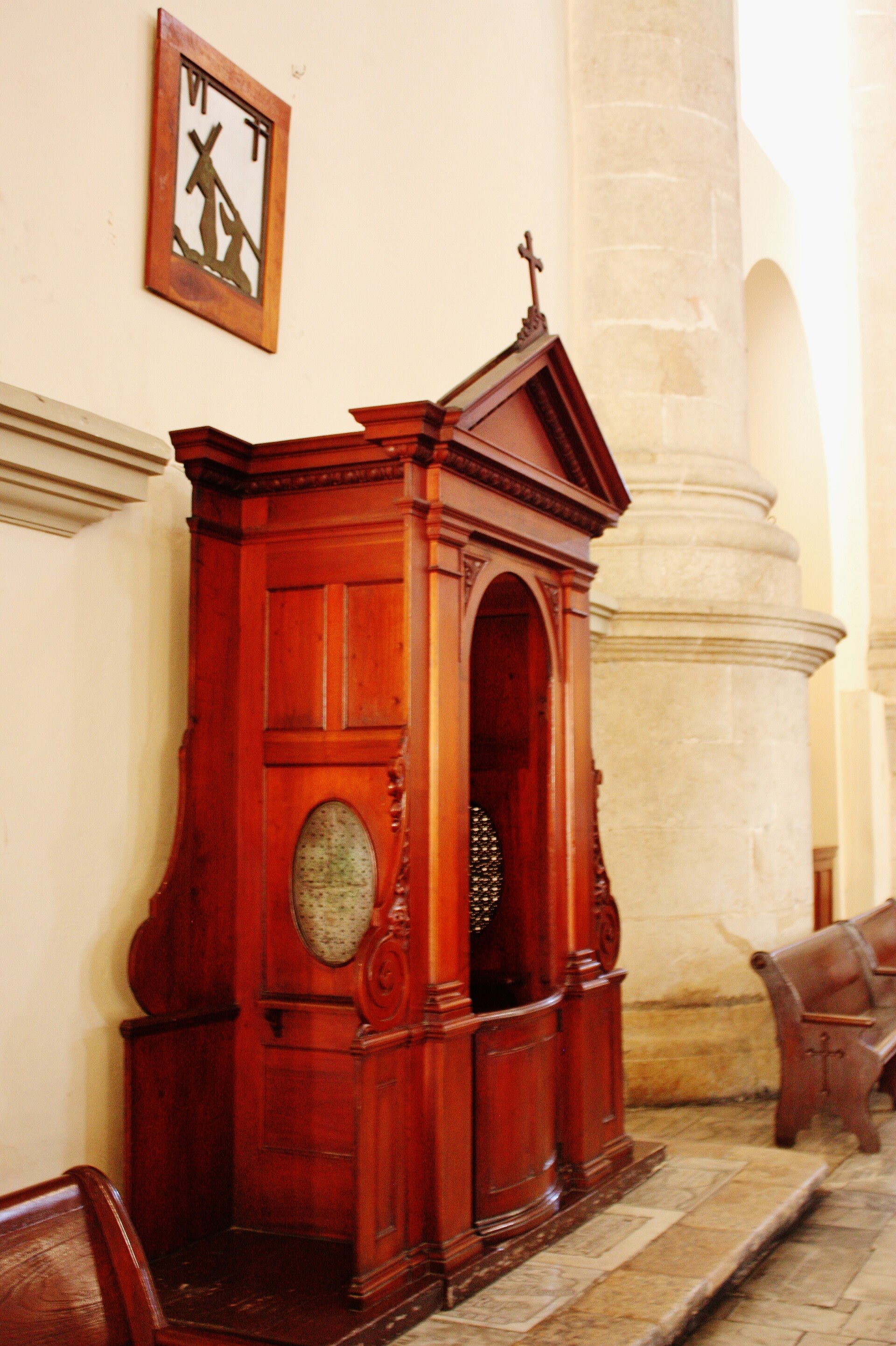
Photo: Catedrales e Iglesias, CC BY 2.0, via Wikimedia Commons
Safety is not a slogan here. It is a ranking.
When people ask whether it is safe to move to Mexico, the honest answer is that "Mexico" is not one place. Yucatán, and Mérida in particular, sits in a different category from the headlines — and the numbers are published.
Level 1
U.S. State Dept. advisory
Lowest tier — "exercise normal precautions"
76 / 100
Safety index
Against a crime index of 24
1 of 2
Mexican states at Level 1
Yucatán is one of just two
892K
Mérida population
About 1.3 million in the metro area
The U.S. State Department places Yucatán at Level 1 — exercise normal precautions, its lowest advisory tier, and it is one of only two Mexican states at that level, with no travel restrictions on U.S. government employees anywhere in the state. Independent city data puts Mérida's safety index at 76 against a crime index of 24. For a family weighing a move from Ontario, that combination — low violent crime plus a mature, well-run city — is often the deciding factor.
What the day-to-day actually looks like
Beyond the weather and the safety ranking, these are the things that make Mérida feel like a city rather than a resort.
Medical hub of the peninsula
Mérida draws patients from across the Yucatán Peninsula. Private hospitals like Star Médica and Clínica de Mérida are well regarded, and English-speaking doctors are common. Routine private care is inexpensive enough that most newcomers pay cash and carry insurance for hospitalisations.
A real education ecosystem
From bilingual private schools to the state university, Mérida is a genuine student city. Families moving from Ontario find both international-curriculum options and strong local schools, at a fraction of Toronto private-school fees.
One of the great food cities of Mexico
Yucatecan cooking is its own tradition — cochinita pibil, sopa de lima, panuchos, salbutes, marquesitas. Mercados, taquerías and fine dining all coexist, and a filling local lunch costs about $9 USD.
Culture on the calendar, not behind glass
Colonial plazas, the Paseo de Montejo boulevard with its mansions and monuments, museums, galleries, and free open-air concerts and dance in the plazas several nights a week. Culture here is part of ordinary life.
Remote-work ready
Home fibre from Telmex and Izzi costs around $30 USD a month and comfortably handles video calls. Coworking spaces cluster in Centro and along the northern corridor. Mérida now hosts a settled community of remote workers and digital nomads.
Nature within a day trip
Cenotes, the Ruta Puuc ruins, flamingo lagoons, biosphere reserves and Gulf beaches all sit within easy reach. Chichén Itzá — one of the New Seven Wonders of the World — is a straightforward drive from the city.
Where newcomers actually live
Mérida spreads north from its historic centre. Where you land changes your daily life more than almost any other decision — walkability, space, schools and price all follow from it.
Centro
The historic heart — colonial homes, plazas, markets and walkable numbered streets. Where much of the expat community clusters, and where restored houses hold real character.
Paseo de Montejo corridor
Tree-lined boulevard lined with grand mansions, museums and cafés. A prestigious, central address with easy access to both Centro and the north.
Santiago & Santa Ana
Beloved central barrios with markets, plazas and neighbourhood life. Popular with newcomers who want community and a short walk to everything.
The north (northern suburbs)
Modern sprawl along wide avenues — malls, big-box stores, hospitals and international schools. Where many families settle, with more space and more air conditioning.
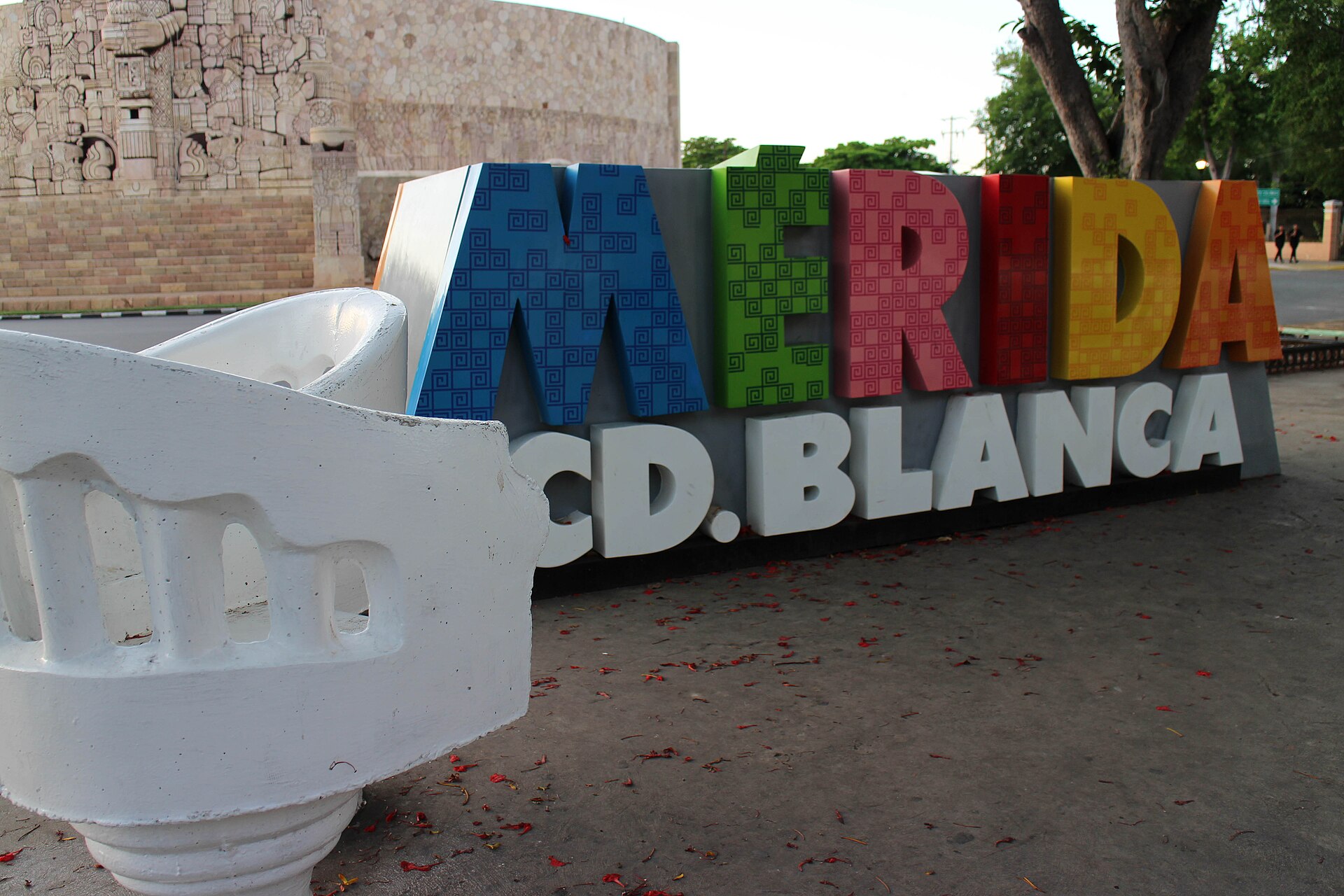
Photo: Gildardo Sánchez, CC BY 2.0, via Wikimedia Commons
The honest part
A guide that only lists the good things is not a guide. Here is what people wish someone had told them before they moved.
It gets genuinely hot in spring
April through June is the intense stretch, with average highs approaching 99°F (37°C) and humid afternoons on top. Air conditioning is not optional, and your summer electric bill is the line item that surprises newcomers most. Locals live in the mornings and evenings.
Salaries are far lower than Ontario
If you plan to work for a local employer, expect local wages. Most Canadians who move here bring remote work, a pension, savings or a business with them. This is a cost-of-living advantage, not a job market to enter blind.
Bureaucracy takes patience
Residency renewals, banking and property paperwork move at their own pace. Bilingual lawyers and facilitators exist precisely because the process rewards local knowledge. Budget time, not anxiety.
You will miss home sometimes
The direct Toronto flight helps, but you are still a country away from family and a Canadian winter you grew up with. The people who thrive here are the ones who moved toward something, not just away from the cold.
Next step
If Mérida sounds like your kind of city, the next figure to get straight is the budget. See the full month-by-month cost breakdown, then pick your neighbourhood and beaches.
Free · No obligation
The freeze is optional.
The sunshine isn't going anywhere.
Get the Ontario-to-Yucatán starter kit: real budgets, the neighbourhoods Canadians actually settle in, the residency checklist and a month-by-month timeline — written by people who made the move.